📘 Introduction & Overview
What is Robot Health Monitoring?
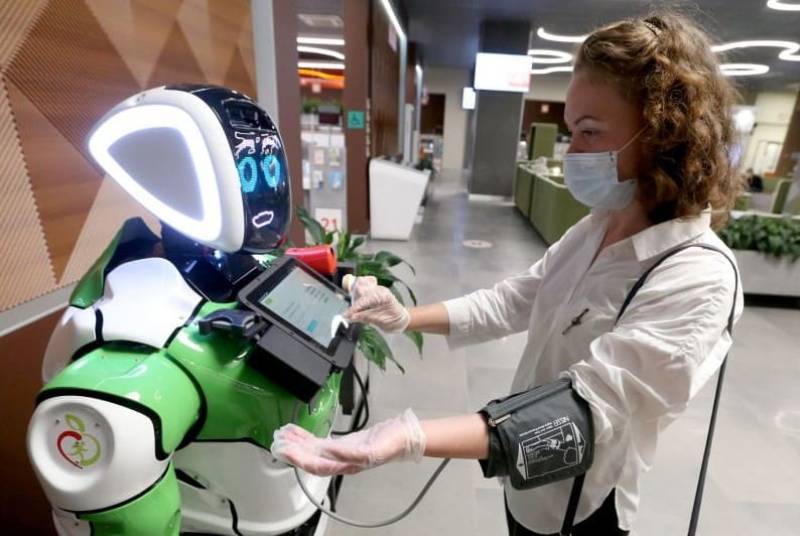
Robot Health Monitoring refers to the continuous surveillance and analysis of the operational status, performance, and integrity of software or hardware robots—especially those used in automation, robotic process automation (RPA), industrial systems, and DevOps pipelines. It ensures robots (digital agents or physical units) operate securely, efficiently, and without failure.
Background & History
- Born from the convergence of Industrial Control Systems (ICS), RPA, and DevOps, Robot Health Monitoring evolved as a crucial need for keeping automation agents reliable.
- With the rise of Intelligent Automation in software delivery, monitoring tools were adapted to support software bots (e.g., Jenkins, Ansible agents, etc.) and physical robots (e.g., in manufacturing or cloud robotics).
Why is it Relevant in DevSecOps?
In DevSecOps, automation is central. Robots and agents perform critical tasks like:
- CI/CD orchestration
- Infrastructure provisioning
- Security scanning
- Compliance enforcement
Failing or misconfigured robots can:
- Delay deployments
- Trigger security incidents
- Misreport logs or telemetry
Thus, Robot Health Monitoring provides:
- Proactive issue detection
- Secure automation governance
- Compliance visibility for robotic processes
🧠 Core Concepts & Terminology
Key Terms and Definitions
| Term | Definition |
|---|---|
| Robot | A physical or software-based automation agent |
| Health Monitoring | Real-time tracking of robot’s metrics and performance |
| Telemetry | Collection of real-time data like CPU usage, errors, or logs |
| Self-healing | Automated remediation based on health insights |
| Digital Twin | A virtual replica of a robot used to simulate health or performance issues |
Fit into DevSecOps Lifecycle
| DevSecOps Stage | Role of Robot Health Monitoring |
|---|---|
| Plan & Develop | Ensure automation agents are version-controlled |
| Build & Test | Monitor RPA/CI/CD bots used in pipelines |
| Release & Deploy | Validate health of deployment agents |
| Operate & Monitor | Real-time health alerts from bots |
| Secure & Comply | Check for drift, tampering, and ensure auditability |
🏗️ Architecture & How It Works
Components
- Monitored Robots: Software or hardware units performing automated tasks.
- Telemetry Collectors: Exporters or agents that gather system metrics (e.g., Prometheus node exporters).
- Monitoring Backend: Systems like Prometheus, Grafana, Elastic Stack, or Datadog.
- Alert Manager: Handles threshold-based and anomaly-based alerts.
- Remediation Engine: Triggers automated responses like restarts, scaling, or escalations.
Internal Workflow
- Robot executes task (e.g., CI job).
- Telemetry data (e.g., memory, logs, exit codes) is captured by monitoring agents.
- Data is pushed to or pulled by the monitoring backend.
- Thresholds are evaluated in real-time.
- If a failure or anomaly is detected, an alert is triggered.
- Optionally, remediation actions like restarting the robot or rerouting jobs are executed.
Architecture Diagram (Described)
+--------------------+
|    DevSecOps Bot   |
|  (Jenkins, Drone)  |
+--------------------+
        |
        v
+----------------------+
|  Telemetry Collector |
| (Node Exporter, etc)|
+----------------------+
        |
        v
+---------------------+       +------------------+
| Monitoring Backend  |<----->|  Alert Manager   |
| (Prometheus, EFK)   |       +------------------+
+---------------------+
        |
        v
+---------------------+
| Remediation Engine  |
| (Auto-scaling, etc) |
+---------------------+
Integration Points
- CI/CD: Jenkins → Node Exporter → Prometheus → Grafana Alerts
- Cloud: AWS CloudWatch + Lambda for robot recovery
- Security: Elastic Stack to scan robot logs for threats
- Observability: OpenTelemetry integration with Datadog or Grafana Cloud
🚀 Installation & Getting Started
Prerequisites
- Robots (e.g., Jenkins agents, Ansible bots, or RPA tools)
- Access to monitoring tools like Prometheus, Grafana, or Datadog
- Basic Linux CLI and YAML familiarity
Setup Example: Jenkins Agent Monitoring with Prometheus & Grafana
Step 1: Install Prometheus Node Exporter on Robot Host
wget https://github.com/prometheus/node_exporter/releases/download/v1.6.1/node_exporter-1.6.1.linux-amd64.tar.gz
tar xvf node_exporter-1.6.1.linux-amd64.tar.gz
cd node_exporter-1.6.1.linux-amd64
./node_exporter &
Step 2: Configure Prometheus
# /etc/prometheus/prometheus.yml
scrape_configs:
  - job_name: 'jenkins_agents'
    static_configs:
      - targets: ['192.168.1.10:9100']
Restart Prometheus:
systemctl restart prometheus
Step 3: Add Dashboard in Grafana
- Use prebuilt dashboards from Grafana Labs
- Monitor metrics like
node_cpu_seconds_total,node_memory_Active_bytes
🔍 Real-World Use Cases
1. CI/CD Agent Monitoring
- Monitor Jenkins build agents for:
- Disk usage spikes
- Zombie jobs
- Unusual network activity
2. Robotic Process Automation (RPA) Bot Security
- In banks or insurance, monitor:
- Logins from bots
- SSL certificate validity
- Anomalies in data scraping bots
3. Cloud-native Robots in Kubernetes
- Sidecar robot containers monitored with:
kube-state-metricsFalcoto detect security policy violations
4. Industrial Robots (IoT)
- In manufacturing:
- Use MQTT + Prometheus bridge to monitor arm temperatures or execution failures
- Integrate with Splunk or ELK for compliance
✅ Benefits & Limitations
Key Advantages
- Early Failure Detection: Prevent downstream pipeline issues
- Security Enforcement: Detect misbehavior or tampering
- Scalability: Works across thousands of robots
- Compliance Ready: Logging and audit trail for each bot
Common Challenges
| Challenge | Mitigation |
|---|---|
| High telemetry volume | Use sampling, aggregation |
| Bot identity confusion | Use unique IDs and labels |
| Securing telemetry paths | Encrypted transport (TLS, VPNs) |
| Integrating heterogeneous bots | Use abstraction layers like OpenTelemetry |
🧩 Best Practices & Recommendations
Security
- Use TLS for all telemetry data
- Sign and verify robot agents
- Use Zero Trust principles for inter-agent communication
Performance & Maintenance
- Set up dashboard-based SLIs per robot
- Auto-scale bots based on health scores
- Run periodic health audits as part of release pipelines
Compliance & Automation
- Ensure logs are stored in tamper-proof systems (e.g., ELK, Loki)
- Automate incident response with tools like PagerDuty or Opsgenie
🔁 Comparison with Alternatives
| Feature | Robot Health Monitoring | Ping Monitoring | Process Monitors |
|---|---|---|---|
| Deep telemetry | ✅ | ❌ | ✅ |
| CI/CD integration | ✅ | ❌ | ❌ |
| Security-focused | ✅ | ❌ | ❌ |
| Automation triggers | ✅ | ❌ | ❌ |
| RPA and industrial fit | ✅ | ❌ | ❌ |
Choose Robot Health Monitoring when:
- Bots are critical to delivery
- Security and uptime matter
- Multi-cloud or hybrid automation is used
🔮 Conclusion
Final Thoughts
Robot Health Monitoring in DevSecOps isn’t just about uptime—it’s about trust, resilience, and compliance. By ensuring all automation components (bots) are healthy, monitored, and secured, teams can confidently deliver at scale.
Future Trends
- Integration with AI/ML anomaly detection
- Digital Twins to simulate bot behavior before production
- Blockchain-based audit trails for high-integrity environments
