1. Introduction & Overview
What is 5G Edge for Robotics?
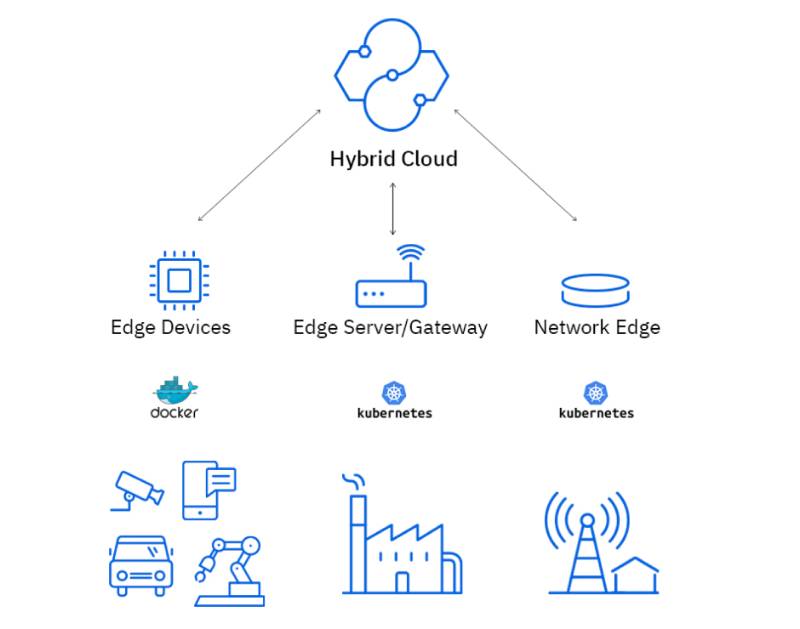
5G Edge for Robotics refers to the integration of 5G networks and edge computing technologies to power robotic systems in real-time, enabling low-latency control, autonomous decision-making, and distributed intelligence.
It combines:
- 5G → Ultra-low latency (<1 ms), high bandwidth, and massive device connectivity.
- Edge computing → Localized data processing close to robots, reducing dependency on centralized cloud.
- Robotics operations (RobotOps) → Continuous monitoring, orchestration, and lifecycle management of robotic fleets.
History & Background
- Pre-5G Robotics: Robots relied on Wi-Fi or 4G networks, which were latency-heavy and limited in mobility.
- Rise of 5G: With network slicing and ultra-reliable low latency communications (URLLC), 5G became a game-changer for real-time robotic operations.
- Edge Evolution: Cloud-based robotics created bottlenecks. Edge computing allowed on-premises, near real-time decision-making.
- RobotOps Era: RobotOps, inspired by DevOps, introduced CI/CD pipelines, observability, and resilience frameworks for robotics.
Why Relevant in RobotOps?
- Enables real-time orchestration of robotic fleets.
- Reduces downtime via near-instant monitoring.
- Supports autonomous decisions without heavy cloud dependence.
- Scales across industries (manufacturing, logistics, healthcare, defense).
2. Core Concepts & Terminology
| Term | Definition | Relevance in RobotOps |
|---|---|---|
| 5G URLLC | Ultra-Reliable Low Latency Communication | Enables safety-critical robotic tasks with <1ms latency |
| MEC (Multi-access Edge Computing) | Processing data near robots at the edge | Reduces round-trip latency |
| Network Slicing | Virtualized 5G segments for specific apps | Allocate dedicated lanes for robotic ops |
| QoS (Quality of Service) | Network guarantees for bandwidth/latency | Ensures reliable robotic operations |
| RobotOps | DevOps-like approach for robotics lifecycle | CI/CD + observability for robots |
| Digital Twin | Virtual replica of a robot or environment | Simulation & predictive maintenance |
Fit into the RobotOps Lifecycle
- Plan → Simulate robotic workflows using digital twins.
- Develop → Deploy edge-enabled robotic applications.
- Test → Validate latency & performance via network slicing.
- Deploy → Continuous integration & deployment to robotic fleets.
- Monitor → Use 5G edge observability metrics for fleet health.
- Optimize → Apply ML at the edge for predictive insights.
3. Architecture & How It Works
Components
- Robots (IoT + Edge Clients) → Sensors, actuators, cameras.
- 5G Base Stations (gNodeB) → Provide URLLC and massive connectivity.
- Edge Nodes / MEC Servers → Local compute nodes for data analytics, AI inference.
- RobotOps Platform → CI/CD, monitoring, and orchestration tools.
- Cloud Backend (Optional) → Historical data storage, large-scale ML training.
Internal Workflow
- Robot generates sensor data (e.g., camera, LIDAR).
- Data is sent via 5G URLLC to a nearby MEC server.
- MEC server performs real-time AI inference (object detection, navigation).
- RobotOps platform deploys updates via CI/CD pipeline over the edge.
- Observability layer reports back metrics, logs, traces.
Architecture Diagram (Described)
Imagine a 3-layer diagram:
- Layer 1: Robots (bottom) → Sensors/actuators → connected to 5G towers.
- Layer 2: Edge Layer (middle) → MEC servers performing AI/ML in near real-time.
- Layer 3: Cloud + RobotOps (top) → CI/CD pipelines, observability dashboards, analytics.
Integration with CI/CD & Cloud Tools
- GitHub Actions / GitLab CI → Automate software updates for robotic apps.
- Kubernetes on Edge (K3s, MicroK8s) → Deploy microservices at the edge.
- Prometheus + Grafana → Edge observability.
- AWS Wavelength / Azure Edge Zones / Google Anthos → Public cloud edge integration.
4. Installation & Getting Started
Prerequisites
- A 5G testbed (local 5G private network or simulator).
- Edge compute node (Raspberry Pi 5 / NVIDIA Jetson / x86 Edge Server).
- RobotOps-compatible platform (e.g., ROS2 + Kubernetes).
- CI/CD setup (GitHub Actions, GitLab, or Jenkins).
Hands-On Setup Guide
- Setup Edge Kubernetes
# Install lightweight K3s for edge
curl -sfL https://get.k3s.io | sh -
kubectl get nodes
2. Deploy ROS2 Application on Edge
kubectl create ns robotops
kubectl apply -f ros2-deployment.yaml -n robotops
3. Connect Robot to 5G Network
- Configure SIM/eSIM with private 5G slice.
- Verify connectivity:
ping <edge-server-ip>4. Setup CI/CD Pipeline (GitHub Actions Example)
name: Deploy Robotics App
on: [push]
jobs:
  deploy:
    runs-on: ubuntu-latest
    steps:
      - uses: actions/checkout@v3
      - name: Deploy to Edge
        run: kubectl apply -f ros2-deployment.yaml -n robotops
5. Real-World Use Cases
Manufacturing (Industry 4.0)
- Robotic arms connected via 5G edge.
- Instant defect detection with computer vision.
Autonomous Delivery Robots
- Edge inference for route optimization.
- Live monitoring via RobotOps dashboards.
Healthcare Robotics
- Remote-assisted surgeries using 5G URLLC.
- Edge AI for real-time vital sign monitoring.
Defense & Public Safety
- Swarm drones coordinated via 5G slicing.
- Disaster response robots analyzing terrain locally.
6. Benefits & Limitations
Key Advantages
- Ultra-low latency → Enables mission-critical robotics.
- Scalability → Connect 1000s of robots simultaneously.
- Reduced Cloud Dependence → Local intelligence.
- Improved Observability → Native integration with RobotOps.
Limitations
- Infrastructure Cost → Private 5G + MEC servers are expensive.
- Coverage Gaps → Limited availability in rural/remote areas.
- Security Risks → More attack surfaces (5G + Edge).
- Skill Gap → Requires expertise in both telecom and DevOps.
7. Best Practices & Recommendations
- Security
- Use end-to-end encryption for 5G traffic.
- Implement Zero Trust at the edge.
- Performance
- Deploy AI inference at edge, training in cloud.
- Enable Kubernetes autoscaling on edge nodes.
- Compliance & Automation
- Follow ISO 10218 (robot safety) and 5G security standards.
- Automate CI/CD rollouts with canary deployments.
8. Comparison with Alternatives
| Feature | 5G Edge for Robotics | Wi-Fi 6 Robotics | Cloud-Only Robotics |
|---|---|---|---|
| Latency | <1 ms | 10–20 ms | 50–100 ms |
| Scalability | Very high (1000+ robots) | Medium | Medium |
| Reliability | Ultra-reliable | Moderate | Dependent on internet |
| Mobility | High (global roaming) | Limited | Limited |
| Cost | High (infra + licenses) | Low | Medium |
When to Choose 5G Edge?
- Mission-critical robotics (healthcare, defense).
- Large-scale fleet operations.
- Scenarios requiring mobility + ultra-low latency.
9. Conclusion
5G Edge for Robotics is a transformative enabler in the RobotOps ecosystem, combining telecom-grade reliability with DevOps agility.
- Today: Used in smart factories, autonomous logistics, healthcare, and defense.
- Future Trends: AI-driven autonomous fleets, 6G-enabled robotics, decentralized RobotOps.
Next Steps & Resources
- 3GPP 5G URLLC Standards
- ROS2 + Kubernetes Docs
- AWS Wavelength Robotics
- Edge RobotOps Community
