1. Introduction & Overview
What is Robot Health Monitoring?
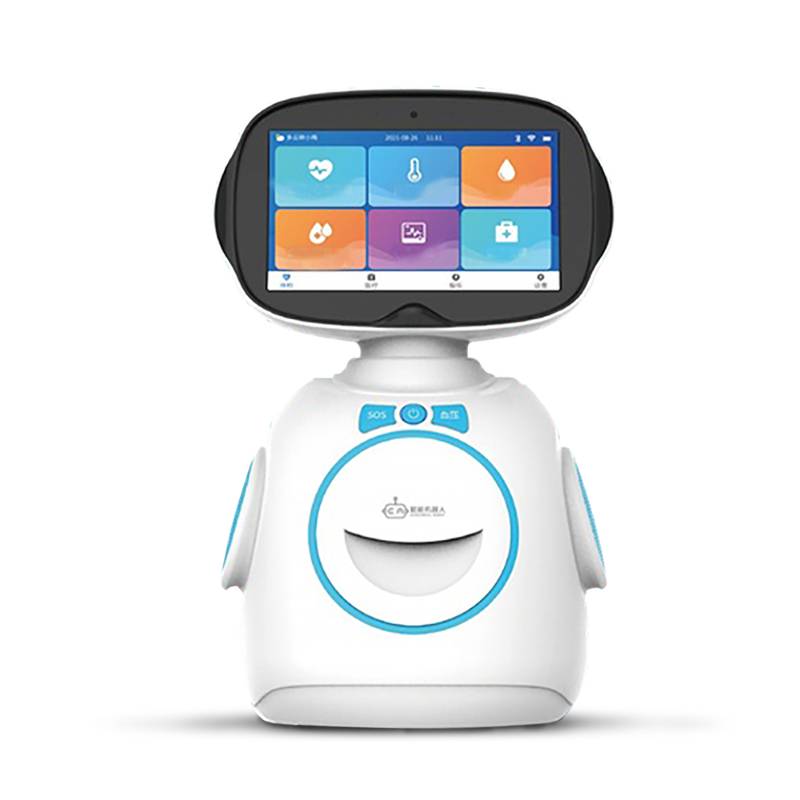
Robot Health Monitoring is the practice of continuously tracking, analyzing, and maintaining the operational well-being of robots—covering hardware (motors, sensors, batteries), software (algorithms, firmware), and network/communication layers.
It ensures robots perform tasks safely, efficiently, and with minimal downtime by detecting early signs of failure and triggering proactive maintenance.
History or Background
- Early robotics (1980s–1990s): Health monitoring was limited to manual inspections and basic diagnostics.
- Industry 4.0 (2000s–2010s): Adoption of predictive maintenance and IoT sensors made real-time monitoring possible.
- RobotOps Era (2020s onwards): Inspired by DevOps and AIOps, RobotOps integrates continuous monitoring, telemetry, AI-driven analytics, and automated recovery into robotics.
Why is it Relevant in RobotOps?
RobotOps emphasizes:
- Continuous operation – robots working in factories, warehouses, or healthcare need 24/7 uptime.
- Scalability – fleets of robots require centralized monitoring.
- Safety – monitoring prevents accidents due to failures.
- Data-driven optimization – health data helps fine-tune performance.
Thus, Robot Health Monitoring forms the “observability layer” in RobotOps.
2. Core Concepts & Terminology
| Term | Definition |
|---|---|
| Telemetry | Real-time data collected from robots (temperature, battery, motor torque). |
| Predictive Maintenance | Using AI/ML to predict failures before they occur. |
| Condition Monitoring | Tracking specific parameters (e.g., vibration, heat) to detect anomalies. |
| Fault Diagnosis | Identifying the root cause of robot malfunction. |
| Fleet Management | Monitoring and managing multiple robots simultaneously. |
| Digital Twin | Virtual replica of a robot used for testing and predictive analysis. |
How it fits into the RobotOps lifecycle
- Development → Add health monitoring hooks into firmware/software.
- Testing → Simulate failures, check monitoring alerts.
- Deployment → Monitor live robots with dashboards & alerts.
- Operations → Trigger automated recovery or maintenance tickets.
- Feedback Loop → Use monitoring data for robot design improvements.
3. Architecture & How It Works
Components
- Robots (Edge Devices): Embedded sensors for telemetry.
- Data Collectors: MQTT/WebSockets/ROS nodes sending data.
- Monitoring Platform: Cloud/on-prem tools (Prometheus, Grafana, ROS diagnostics).
- Analytics Engine: AI/ML anomaly detection.
- Alerting & Automation: Triggers maintenance, CI/CD rollback, or self-healing scripts.
Internal Workflow
- Sensors collect health data (battery, CPU load, motor vibration).
- Data is transmitted securely to a central monitoring hub.
- Metrics are stored in time-series databases (e.g., InfluxDB, Prometheus).
- Visualization via dashboards (Grafana, Kibana).
- Alerts sent via Slack, email, or incident management tools (PagerDuty).
- Automated actions triggered (restart robot service, schedule maintenance).
Architecture Diagram (described)
Imagine a layered flow:
Robots (Edge Sensors) → Message Broker (MQTT/ROS) → Monitoring Service (Prometheus, ELK, Grafana) → AI/ML Anomaly Detection → Alerts & Automation (PagerDuty, Jenkins, RobotOps pipelines).
Integration Points
- CI/CD Pipelines (Jenkins, GitHub Actions): Run automated health checks after deployments.
- Cloud Monitoring (AWS IoT, Azure IoT Hub, GCP IoT Core): Collect & analyze telemetry.
- DevOps Tools (Prometheus, Grafana, ELK): Unified observability stack.
4. Installation & Getting Started
Basic Setup or Prerequisites
- Robot running ROS2 (or custom firmware).
- Telemetry sensors (battery, IMU, temperature).
- Monitoring server (Linux VM or cloud instance).
- Installed tools:
sudo apt install prometheus grafana influxdb mosquitto
Hands-On: Step-by-Step Setup
- Install MQTT broker (for telemetry):
sudo apt install mosquitto mosquitto-clients Start broker: mosquitto -v2. Publish robot telemetry:
mosquitto_pub -h localhost -t "robot/health" -m '{"battery":82,"temp":45,"cpu":65}'3. Subscribe and monitor:
mosquitto_sub -h localhost -t "robot/health"4. Integrate with Prometheus (scraping metrics):
Add in prometheus.yml:
scrape_configs: - job_name: 'robot_health' static_configs: - targets: ['localhost:9100']5. Visualize with Grafana:
- Import “Robotics Health Dashboard”.
- Create alerts (battery < 20% → Slack notification).
5. Real-World Use Cases
- Warehouse Robots (Logistics/Delivery)
- Monitoring wheel torque to detect wear & tear.
- Battery tracking for automated charging schedules.
- Surgical Robots (Healthcare)
- Monitoring precision and calibration accuracy.
- Ensuring safe operation during long surgeries.
- Autonomous Vehicles (Manufacturing/Mining)
- Vibration analysis to prevent mechanical failures.
- Predictive maintenance on robotic arms.
- Drones (Agriculture/Surveillance)
- Monitoring flight stability via IMU sensors.
- Real-time battery/temperature alerts.
6. Benefits & Limitations
Benefits
- Reduced downtime (predict failures early).
- Improved safety (avoid accidents).
- Scalability (fleet monitoring).
- Data-driven optimization (AI learns robot wear patterns).
Limitations
- High cost for sensor integration.
- Complexity in large fleet setups.
- False positives from anomaly detection.
- Security risks if telemetry is not encrypted.
7. Best Practices & Recommendations
- Security: Use TLS/SSL for telemetry (MQTT over TLS).
- Performance: Use lightweight agents to reduce CPU load.
- Automation: Integrate with CI/CD for automated health checks.
- Compliance: Follow ISO standards (ISO 13482 for safety robots).
- Digital Twin: Simulate failures before deployment.
8. Comparison with Alternatives
| Approach | Robot Health Monitoring | Traditional Maintenance | Digital Twin Only |
|---|---|---|---|
| Real-time data | ✅ Yes | ❌ No | ⚠️ Limited |
| Predictive maintenance | ✅ Yes | ❌ No | ✅ Yes |
| Scalability | ✅ Fleet-wide | ❌ Manual | ⚠️ High compute required |
| Cost | ⚠️ Moderate | ✅ Low | ⚠️ High |
| Best for | RobotOps, fleets | Small robots | Simulation-heavy tasks |
9. Conclusion
Robot Health Monitoring is a cornerstone of RobotOps, enabling:
- Continuous observability
- Proactive maintenance
- Safe & scalable robot operations
Future Trends
- AI-powered self-healing robots.
- Edge AI health monitoring.
- Blockchain for secure health logs.
Next Steps
- Try integrating Prometheus + Grafana in your robot project.
- Experiment with digital twins for predictive health simulation.
- Join RobotOps communities to share best practices.
Official Docs & Communities:
- ROS Diagnostics
- Prometheus
- Grafana
- RobotOps Community (conceptual resources)
