Introduction
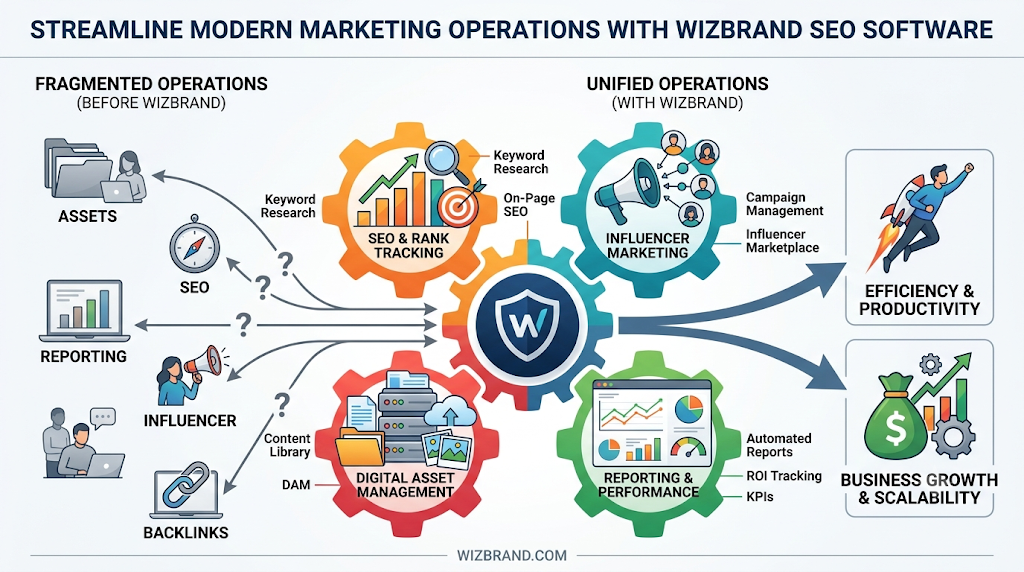
Modern marketing departments and scaling digital agencies face an uphill battle against platform fragmentation. Managing fragmented tools for position tracking, digital assets, client metrics, and creator partnerships drains billable hours and fragments focus. To maintain a competitive edge, forward-thinking brands are leaving single-purpose systems behind for an all-in-one SEO platform that integrates these distinct pipelines. Relying on isolated data streams causes blind spots, mismatched analytics, and operational friction. Centralizing organic positioning, file storage, and creator network coordination simplifies daily processes and builds true topical authority. This educational guide explores how a unified infrastructure transforms regular marketing workflows into scalable engines for client retention.
What is an All-in-One SEO Platform?
An all-in-one SEO platform is a centralized software ecosystem designed to manage, execute, and analyze every facet of organic search optimization and digital visibility from a single interface. Rather than jumping between separate accounts for technical analysis, position tracking, and reporting, marketing teams use a single dashboard to unify these jobs.
At its core, this software consolidates critical marketing capabilities:
- Organic Search Infrastructure: Technical site auditing, keyword discovery, and competitor landscape monitoring.
- Content & Creators: Influencer marketplace discovery and campaign tracking pipelines.
- Asset Governance: Centralized digital asset organization to keep brand media aligned across channels.
By integrating these features, enterprise teams and agencies eliminate data silos, lower software costs, and establish clear operational tracking across all campaigns.
Why Centralized SEO Management Software Matters
Fragmented marketing technology directly hurts profit margins. When a marketing team uses one service for keyword discovery, another for position metrics, and a basic spreadsheet for creator outreach, collaboration breaks down. Manual updates quickly fall behind, leading to mismatched client reports and missed optimization opportunities.
[Fragmented Workflow] -> (Siloed Data) -> (Manual Syncing) -> [High Error Rate]
[Centralized Platform] -> (Unified DB) -> (Auto-Reporting) -> [Scalable Growth]
Centralized SEO management software acts as a single operational truth. It automatically connects live search positions with on-page updates and external promotional campaigns. This deep integration allows marketing consultants and brand managers to pinpoint exactly which backlinks or creator mentions improve search rankings. It shifts work from reactive troubleshooting to proactive growth.
Key Features of Advanced Digital Marketing Software
Comprehensive optimization engines go beyond standard keyword lookups. To support modern digital marketing software setups, a platform must bridge the gap between technical search metrics and actual promotional assets.
Automated SERP Tracking
An enterprise-grade rank tracking tool delivers daily updates on search positions across multiple geographies and devices. It monitors search landscape changes, tracks featured snippets, and alerts teams to sudden drops so they can adjust immediately.
Client Performance Dashboards
Modern SEO reporting software turns complex data rows into clear visual graphics. Agencies can build automated white-label reports that showcase key metrics like organic traffic, keyword wins, and backlink growth directly to stakeholders without manual compilation.
Integrated Creator Networks
A built-in influencer marketplace allows brands to find, vet, and message creators without leaving the platform. Tracking content delivery alongside organic search updates ensures every campaign works together toward the same goals.
Business Use Cases and Industry Applications
Diverse business structures apply unified search and asset tools differently to hit their specific performance goals:
- Digital Marketing Agencies: Agencies utilize SEO software for agencies to onboard multiple clients into isolated sub-accounts. Account managers track keyword rankings, run automated site audits, and send custom white-label reports from one dashboard.
- E-commerce Brands: E-commerce teams combine automated position tracking with marketing asset management software to keep product images optimized and monitor search rankings across thousands of item pages.
- SaaS Enterprises: Software companies use technical search analytics alongside an influencer campaign management software setup to coordinate product review videos, track feature launches, and measure backlink value simultaneously.
Operational Comparison Frameworks
Table 1: Traditional Single-Purpose Tools vs. All-in-One SEO Platform
| Feature | Traditional Single-Purpose Tools | All-in-One SEO Platform |
| Data Integration | Siloed; requires manual spreadsheet exports | Fully unified; live cross-functional metrics |
| Team Workflows | Fragmented across 4-5 browser logins | Centralized in one dashboard |
| Cost Overhead | High cumulative subscription fees | Predictable, single-vendor pricing |
| Best Choice | Early freelancers with basic, single-focus tasks | Scaling agencies and multi-channel teams |
Table 2: Manual Client Tracking vs. SEO Reporting Software
| Feature | Manual Client Tracking | SEO Reporting Software |
| Generation Time | 4 to 6 hours per client account monthly | Automated delivery in under 5 minutes |
| Data Accuracy | Susceptible to copy-paste human errors | Direct API pulling from live databases |
| Brand Control | Limited markdown tables or plain spreadsheets | Polished, white-label client dashboards |
| Best Choice | Individual consultants managing 1-2 accounts | Agencies requiring automated client reporting |
Table 3: Shared Cloud Storage vs. Digital Asset Management Software
| Feature | Shared Cloud Storage | Digital Asset Management Software |
| Metadata Search | Basic text title match only | Multi-tag, custom fields, and campaign filtering |
| Workflow Sync | Separated entirely from active campaigns | Directly linked to publishing and outreach tasks |
| Rights Expiry | Manual calendar reminders | Automated asset expiration alerts |
| Best Choice | Internal document backups and archiving | Active marketing teams running rich-media campaigns |
Data and ROI Visualization
To evaluate your operational efficiency, use the interactive calculator below to see how centralizing your marketing tools and asset workflows impacts your monthly bottom line.
Actionable Best Practices for Modern Marketing Teams
Implementing structured configurations prevents resource wasting and maximizes software investment:
- Establish Strict Metadata Tags: When utilizing digital asset management software, enforce uniform naming conventions across all folders. Tag files by channel, creator name, and active campaign year to keep media organized.
- Automate Rank Track Frequency: Configure your keyword position software to refresh daily for core landing pages and weekly for auxiliary content blocks. This saves system resources while keeping your performance data accurate.
- Connect Outreach to Active Lists: Link your brand discovery filters directly to active outreach pipelines. Avoid exporting raw creator data to external lists, which quickly causes outdated records and communication drops.
Common Digital Marketing Pitfalls to Avoid
Many marketing teams make the mistake of measuring influencer campaigns solely on likes and comments without looking at search engine impact. A high-engagement video provides long-term value when optimized to build brand searches and high-quality links.
Another common pitfall is giving teams unmonitored access to brand assets. Without a dedicated asset manager, matching creative files with active ad sets becomes difficult. This leads to broken links, old logos on live pages, and inconsistent brand presentation across social channels.
Expert Insights for Scaling Online Visibility
“The secret to scaling digital growth lies in automation,” notes one senior enterprise strategist. “Teams using unified platforms consistently save dozens of billable hours every month just by automating client performance reports.”
True search authority requires coordinating on-page metadata with external digital PR. Leveraging a built-in influencer marketing platform allows teams to secure high-authority brand mentions while tracking keyword position changes in real-time. This dual approach ensures your outreach campaigns directly improve your search engine rankings.
Future Trends in Search Optimization Engines
Centralized interfaces are evolving from simple performance tracking into predictive recommendation engines. Instead of just showing position updates, future software setups will analyze layout shifts and immediately suggest specific page changes.
Furthermore, digital asset tools will soon automate optimization tasks like background removal, image compression, and localized metadata updates during the upload process. Platforms that seamlessly combine asset workflows with search data will help brands scale their content production and maintain top search positions.
Why Position Your Business with WizBrand?
WizBrand addresses software fragmentation by combining powerful organic search tracking with streamlined asset management and creator marketplaces. Instead of paying for multiple single-purpose subscriptions, marketing teams use WizBrand’s all-in-one ecosystem to run campaigns efficiently and grow client accounts.
From advanced position monitoring to automated report generation and asset control, WizBrand provides the framework modern marketing teams need to scale operational throughput.
Frequently Asked Questions
What is the advantage of using an all-in-one SEO platform?
An all-in-one platform unifies position tracking, backlink analysis, creator outreach, and reporting. This eliminates data silos, reduces software subscription fees, and streamlines agency workflows.
How does automated reporting software save agency time?
It pulls real-time analytics from live dashboards into white-label client reports automatically. This saves account managers hours of manual data entry at the end of every month.
Can I track localized search rankings with a position tool?
Yes, advanced rank tracking tools monitor keyword positions across specific zip codes, cities, countries, and device types to ensure accurate local search visibility tracking.
What makes asset management software different from standard cloud storage?
Asset management tools offer custom metadata tagging, deep workflow integration, and explicit campaign categorization, whereas standard cloud storage only provides basic folder layouts.
How does an influencer marketplace help organic search visibility?
It helps teams source trusted creators who generate real brand mentions and high-quality links. This increases referral traffic and strengthens your site’s overall search authority.
Is site auditing included in SEO software for agencies?
Yes, comprehensive agency software includes automated auditing tools that scan for broken links, slow loading times, mobile issues, and indexation errors to maintain technical site health.
Can we manage team tasks inside an asset platform?
Modern asset platforms include built-in workflow tools that let managers assign tasks, set production deadlines, and track approvals directly alongside your creative media files.
How often do keyword position tracking metrics update?
Enterprise software provides daily position updates for core keywords. This allows teams to respond fast to search engine algorithm updates and competitive market shifts.
Does the platform support white-label branding for reports?
Yes, agency-focused reporting software allows you to upload your own logos, use custom brand colors, and connect your own domains to deliver clean, professional client dashboards.
Can small business owners benefit from enterprise marketing tools?
Absolutely. Centralizing your marketing tools helps small teams save time, avoid confusing data setups, and manage search visibility and social outreach without needing a massive budget.
How do integrated influencer tools track active campaigns?
They monitor content delivery, track live links, and log engagement metrics from one screen. This connects your influencer campaigns directly to your primary marketing goals.
What security features protect digital brand assets?
Advanced asset platforms secure your media with role-based access controls, safe sharing links, and clear version histories to ensure only authorized users modify corporate files.
How do backlink metrics improve overall organic search performance?
Tracking backlink profiles helps teams find low-quality links, replicate competitor link strategies, and measure how external brand mentions impact target keyword rankings over time.
Does technical optimization software help improve page speeds?
Yes, it flags large images, uncompressed code, and slow server elements. This gives your development team clear paths to optimize page speeds and improve user experience.
Can we organize mixed file types in digital asset systems?
Yes, these systems store and organize diverse file formats including high-res videos, images, raw vector graphics, and content documents under unified, searchable asset categories.
