📘 Introduction & Overview
🔍 What is Sensor Data Streaming?
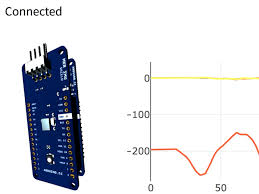
Sensor Data Streaming refers to the real-time or near-real-time transmission of data generated by physical sensors (temperature, motion, humidity, etc.) to a centralized system (e.g., cloud, edge node, or application backend) for processing, monitoring, and decision-making.
In DevSecOps, this streaming can be used to:
- Monitor infrastructure metrics (e.g., CPU heat sensors, network congestion sensors).
- Enhance security observability (e.g., biometric sensor logs, intrusion detection sensors).
- Automate incident detection and response workflows.
🧭 History or Background
- Early use (2000s): In industrial IoT systems and smart factories using SCADA.
- Evolution (2010s): Adoption in smart homes, health tech, and connected cars.
- Modern era (2020s): Now integrated with cloud-native pipelines, edge computing, and DevSecOps tools for proactive monitoring, analytics, and alerts.
🔐 Why is it Relevant in DevSecOps?
- Security Monitoring: Real-time sensor streams detect anomalies (e.g., unauthorized access).
- Ops Reliability: Environmental sensor data helps predict and prevent outages.
- Automation: Triggers pipelines when specific environmental or operational thresholds are met.
- Audit & Compliance: Maintains logs from physical environments for compliance (e.g., HIPAA, ISO 27001).
🧠 Core Concepts & Terminology
📖 Key Terms and Definitions
| Term | Definition |
|---|---|
| Sensor | A physical device that detects and responds to input from the physical environment. |
| Stream Processing | Handling data in motion, as it is generated, rather than after it’s stored. |
| Telemetry | Automatic measurement and wireless transmission of data. |
| Edge Computing | Processing data closer to the source (e.g., sensor gateways). |
| Data Broker | Middleware component like Kafka or MQTT that transfers sensor data. |
🔄 How It Fits into the DevSecOps Lifecycle
| DevSecOps Phase | Sensor Streaming Role |
|---|---|
| Plan | Define what sensors are critical for security/operations. |
| Develop | Build integrations that consume and act on sensor data. |
| Build | Incorporate validation of sensor stream simulators. |
| Test | Run chaos/security tests triggered by live sensor input. |
| Release | Deploy pipelines that use streaming events for deployment triggers. |
| Monitor | Visualize sensor data in dashboards like Grafana. |
| Respond | Trigger alerts/incidents from anomaly-detected streams. |
🏗️ Architecture & How It Works
⚙️ Components
- Sensors – Devices producing continuous data.
- Edge/Gateway – Lightweight processors (e.g., Raspberry Pi, Arduino) aggregating raw data.
- Message Broker – Systems like Apache Kafka, MQTT, or AWS IoT Core to transport data.
- Stream Processor – Real-time analytics using Apache Flink, AWS Kinesis, or Spark Streaming.
- DevSecOps Platform – CI/CD tools like Jenkins, GitHub Actions, or ArgoCD reacting to stream events.
- Dashboards & Alerting – Tools like Grafana, Prometheus, ELK Stack.
🧩 Architecture Diagram (Described)
[Sensor Devices] → [Edge Gateway] → [Message Broker (e.g., Kafka)] →
[Stream Processor (Flink/Kinesis)] →
[DevSecOps System (AlertManager / GitHub Actions)] →
[Dashboard / Alerts / Automated Deployments]
☁️ Integration Points with DevSecOps Tools
| Tool | Integration |
|---|---|
| Jenkins | Use Kafka plugins to trigger builds from sensor events. |
| GitHub Actions | Trigger workflows via MQTT webhooks. |
| ArgoCD | Auto-deploy when temperature or health sensors meet thresholds. |
| Prometheus + Grafana | Scrape and visualize time-series sensor data. |
| ELK Stack | Store and search historical sensor event logs for security audit. |
🛠️ Installation & Getting Started
🧰 Prerequisites
- Node or Raspberry Pi with sensor connected
- Kafka / MQTT broker setup
- Python or Node.js
- Docker (for containerized streaming stack)
- Basic DevSecOps pipeline (GitHub Actions, Jenkins, etc.)
👣 Step-by-Step Beginner-Friendly Setup Guide
1. Install a Temperature Sensor (e.g., DHT11) on Raspberry Pi
sudo apt-get update
sudo apt-get install python3-pip
pip3 install Adafruit_DHT
2. Publish Sensor Data to MQTT Broker
import Adafruit_DHT
import paho.mqtt.client as mqtt
import time

sensor = Adafruit_DHT.DHT11
pin = 4
client = mqtt.Client()
client.connect("broker.hivemq.com", 1883, 60)

while True:
    humidity, temperature = Adafruit_DHT.read_retry(sensor, pin)
    if humidity and temperature:
        client.publish("devsecops/sensors/temperature", f"{temperature}")
    time.sleep(5)
3. Visualize in Grafana via MQTT → Telegraf → InfluxDB
- Use Telegraf MQTT input plugin to stream to InfluxDB
- Connect Grafana to InfluxDB and build dashboards
4. Trigger GitHub Actions from MQTT Messages
Use MQTT2Webhook to call:
on:
  repository_dispatch:
    types: [sensor_alert]
🧪 Real-World Use Cases
🔧 1. Data Center Cooling Control
- Sensors detect rack temperature spikes
- Stream to Kafka
- Trigger cooling system API or alert via Slack
🔐 2. Physical Intrusion Detection
- Motion or door sensors detect unauthorized movement
- Event streamed → GitHub Action → PagerDuty alert
🧬 3. Pharmaceutical Storage Monitoring
- Stream temperature & humidity from storage units
- Automatic rollback/deployment if unsafe storage detected
🚗 4. Automotive DevSecOps Testing
- Vehicle sensors report diagnostics
- Triggers simulations, software update pipelines
✅ Benefits & Limitations
🎯 Key Advantages
- Real-time insight into security and performance.
- Enables automated responses to physical-world changes.
- Improves compliance via secure sensor data tracking.
- Supports preventive maintenance and anomaly detection.
⚠️ Common Challenges
| Challenge | Description |
|---|---|
| Latency | Wireless sensors may cause data lag. |
| Security | Sensor endpoints can be exploited (man-in-the-middle). |
| Scalability | Thousands of sensors require distributed systems (Kafka clusters, etc.). |
| Data Validation | Faulty sensor data can trigger false actions. |
📏 Best Practices & Recommendations
- 🔐 Encrypt all sensor data in transit using TLS.
- 🔎 Use edge filtering to discard noise or invalid data.
- 📜 Implement audit logs for sensor-based triggers in pipelines.
- ⚙️ Enable auto-scaling in streaming systems like Kafka or Kinesis.
- 📋 Align with NIST 800-53, HIPAA, or GDPR for data compliance.
🆚 Comparison with Alternatives
| Approach | Pros | Cons |
|---|---|---|
| Sensor Data Streaming | Real-time, scalable, proactive automation | Complex setup, resource intensive |
| Polling APIs | Simple to implement | Delayed response, inefficient |
| Log Aggregation | Good for historical audit | Not suited for instant reaction |
✅ Choose Sensor Streaming if:
- You need instant event-based automation
- You’re working with physical systems (IoT/embedded)
❌ Avoid if:
- You don’t have continuous internet connectivity
- You need only post-event analysis
🔚 Conclusion
Sensor Data Streaming bridges the physical and digital world in DevSecOps, enabling real-time automation, risk detection, and compliance monitoring.
As industries move towards edge-native, secure, and intelligent DevOps, sensor streaming will become a cornerstone of proactive operations and infrastructure resilience.
