Managing a vehicle rental business often feels like spinning plates. If you run a compact scooter fleet in a sunny Mediterranean town, a bicycle rental shop along a scenic alpine route, or a mixed garage of cars and motorcycles, keeping track of bookings, customer records, and daily availability can quickly become overwhelming.
For independent operators and fleet owners, keeping overhead low is vital. This guide dives into how modern free vehicle rental management software works, what features actually matter, and how digital platforms are reshaping the European rental market with a fresh, human-centric approach.
Why Modern Fleets Need Digital Tools
Manual ledgers and scattered spreadsheets belong in the past. Today’s travelers and local renters expect instant answers, seamless bookings, and transparent pricing.
In Europe, the rental landscape comes with unique complexities. Seasonal surges in tourist hubs, varying national licensing requirements, and cross-border travel rules mean that manual tracking frequently leads to scheduling errors or double bookings.
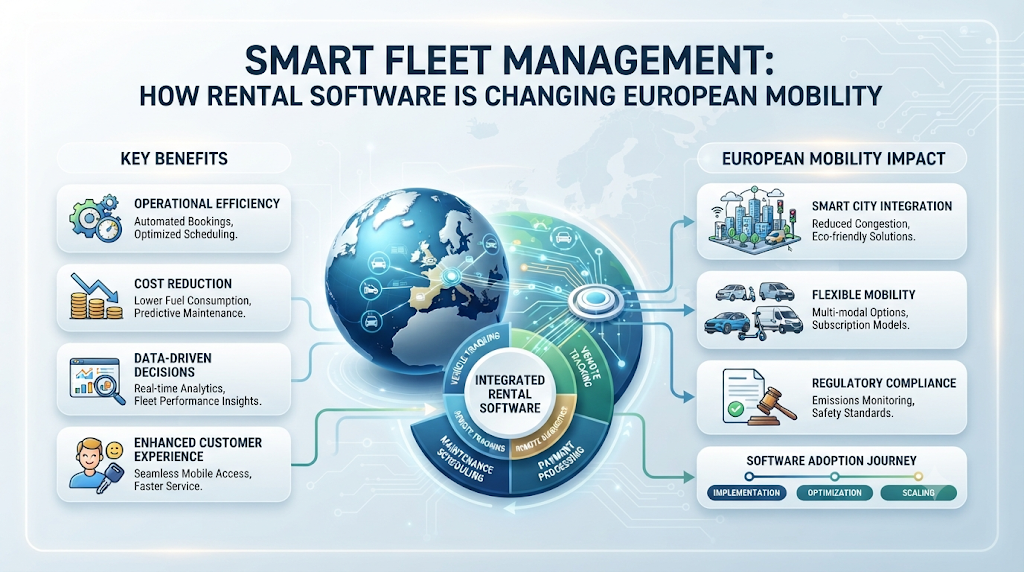
Transitioning to a centralized digital system changes the workflow. Instead of juggling phone calls, walk-ins, and fragmented email inquiries, a unified vehicle rental booking system gives your staff a clear, real-time snapshot of your entire inventory in one place.
Essential Features to Look for in Rental Software
When you are exploring software options for your business, certain core features can make or break your daily operations:
1. Real-Time Inventory Tracking
Knowing exactly which vehicles are out on the road, currently in maintenance, or ready for the next customer prevents costly scheduling overlap.
2. Streamlined Reservations
An intuitive calendar view helps you track pick-ups, returns, and rental durations effortlessly. Automated confirmation messages also dramatically cut down on customer no-shows.
3. Secure Customer and License Profiles
Managing driver verifications and rental histories securely protects your business. This is especially crucial across Europe, where compliance with local driving credentials is a legal requirement.
4. Transparent Revenue and Payment Tools
Integrated payment gateways simplify handling security deposits and daily rental rates, while clear reporting dashboards help you analyze seasonal trends.
Navigating Free Versus Paid Software Options
When starting out or looking to trim operational costs, many entrepreneurs search specifically for free car rental software, bike rental software, or scooter rental software.
However, understanding the structure of “free” tools helps avoid surprises down the line:
- Freemium Tiers: Essential features—like basic calendar views and a limited number of vehicle listings—are completely free. Advanced analytics or multi-staff logins may require upgrading.
- Transaction-Fee Models: Some platforms provide the software free of charge but apply a small percentage fee per completed booking.
- Open-Source Solutions: Highly customizable, but they require technical know-how to set up, secure, and maintain independently.
Choosing the right tool depends on your current fleet size and where your business aims to be in the next few years.
Tailoring Software to Specific Vehicle Categories
Different vehicles demand different operational workflows:
- Bikes and Scooters: Urban micro-mobility requires rapid turnovers. Specialized software emphasizes quick check-ins, hourly rate flexibility, and accessory management like helmets and locks.
- Motorcycles: Managing a motorcycle fleet involves tracking maintenance schedules, mileage caps, and specific engine-class licensing rules.
- Cars: Car rentals involve broader logistics, including insurance add-ons and cross-border travel permissions across European borders.
The Rise of Peer-to-Peer Vehicle Sharing
Beyond traditional rental shops, the European market is embracing peer-to-peer sharing. These communities connect travelers with local vehicle owners who want to monetize underused assets.
If you have a private bike or motorcycle sitting in your garage, platforms provide an easy way to rent out my motorcycle when you aren’t using it. Similarly, car owners can securely list my car for rent to cover maintenance costs and earn extra income.
How MotoShare Europe Supports Travelers and Fleet Owners
Bridging the gap between individual owners, independent shops, and everyday travelers, platforms like MotoShare Europe offer a comprehensive approach to European mobility.
For Renters and Travelers
Travelers looking to explore Europe can browse diverse vehicle listings—from city scooters to touring motorcycles—compare options, check local availability, and submit booking requests directly through the online marketplace.
For Rental Businesses and Owners
MotoShare Europe also provides digital tools tailored for independent operators, including free vehicle rental management software features designed to handle vehicle listings, customer records, and reservations.
Always review current platform guidelines and test specific features to ensure they match your unique business requirements.
Frequently Asked Questions
How does motorcycle rental work in Europe?
Renting a motorcycle typically involves choosing a vehicle online, presenting a valid driver’s licence (such as an appropriate EU licence or International Permit), signing a rental agreement, and leaving a security deposit.
What affects motorcycle rental costs in Europe?
Prices vary based on engine displacement, brand, rental duration, seasonal tourist demand in specific countries, and chosen insurance coverage.
Can I rent a motorcycle for just one day?
Yes, many providers and marketplace listings accommodate single-day rentals, though high-demand summer months may sometimes feature multi-day minimums.
How does peer-to-peer motorcycle rental work?
Private owners list their bikes on a shared platform, and interested renters submit booking requests. Once approved, both parties coordinate key handovers locally, backed by the platform’s verification structure.
What documents are needed to rent a motorcycle in Europe?
You generally need a valid passport or government ID, an approved motorcycle driving licence recognized locally, and a credit card for the security deposit.
Is motorcycle insurance included in rental bookings?
Basic third-party liability is usually standard, but collision damage waivers and deductibles vary. Always review the policy details before confirming your trip.
What is free vehicle rental management software?
It is digital tooling that helps fleet operators organize bookings and customer data without upfront software licensing fees, often structured via freemium plans or transaction models.
Is free car rental software suitable for small businesses?
Yes, free tiers are great for startups or boutique rental shops with straightforward inventory needs before scaling up to enterprise features.
What features should bike rental software include?
Look for rapid check-in tools, hourly rate controls, maintenance trackers, and accessory management for helmets and locks.
How does a vehicle rental booking system work?
It centralizes available dates online, allowing customers to reserve vehicles directly while automatically updating your inventory calendar.
Is scooter rental software useful for small operators?
Absolutely. It streamlines high-volume, short-term rentals common in tourist-heavy coastal towns and cities.
How can I rent out my motorcycle?
You can list your bike on a trusted peer-to-peer sharing marketplace, set your availability calendar, and review booking requests from interested riders.
How can I list my car for rent?
Create an owner profile on a reputable sharing platform, upload clear photos, specify vehicle details, and establish your daily rental rates.
What should a rental business check before choosing software?
Evaluate ease of use, mobile accessibility, inventory limits, customer support quality, and how payment processing fees align with your revenue goals.
Conclusion
Succeeding in the European vehicle rental space means blending smooth customer experiences with dependable backend operations. Whether you are an owner sharing your ride, a traveler planning an unforgettable road trip, or a fleet manager optimizing daily reservations, adopting the right tools makes all the difference. Exploring platforms like MotoShare Europe offers a practical step toward modernizing your journey.
